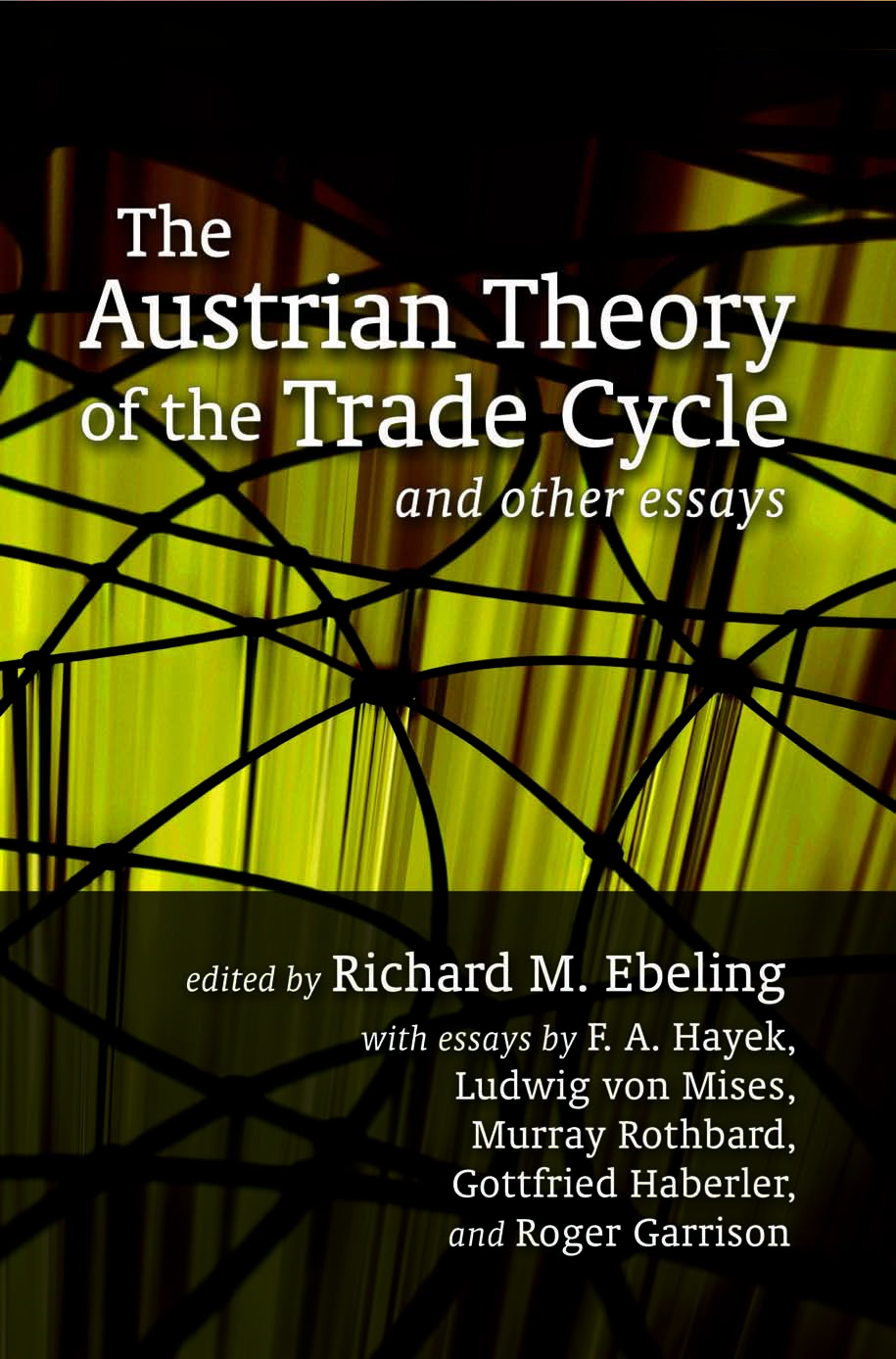
The Austrian Theory of the Trade Cycle and Other Essays
Four Austrian essays, framed by Roger Garrison, argue credit booms misdirect production over time and disagree about answering the later contraction.

Four Austrian essays, framed by Roger Garrison, argue credit booms misdirect production over time and disagree about answering the later contraction.
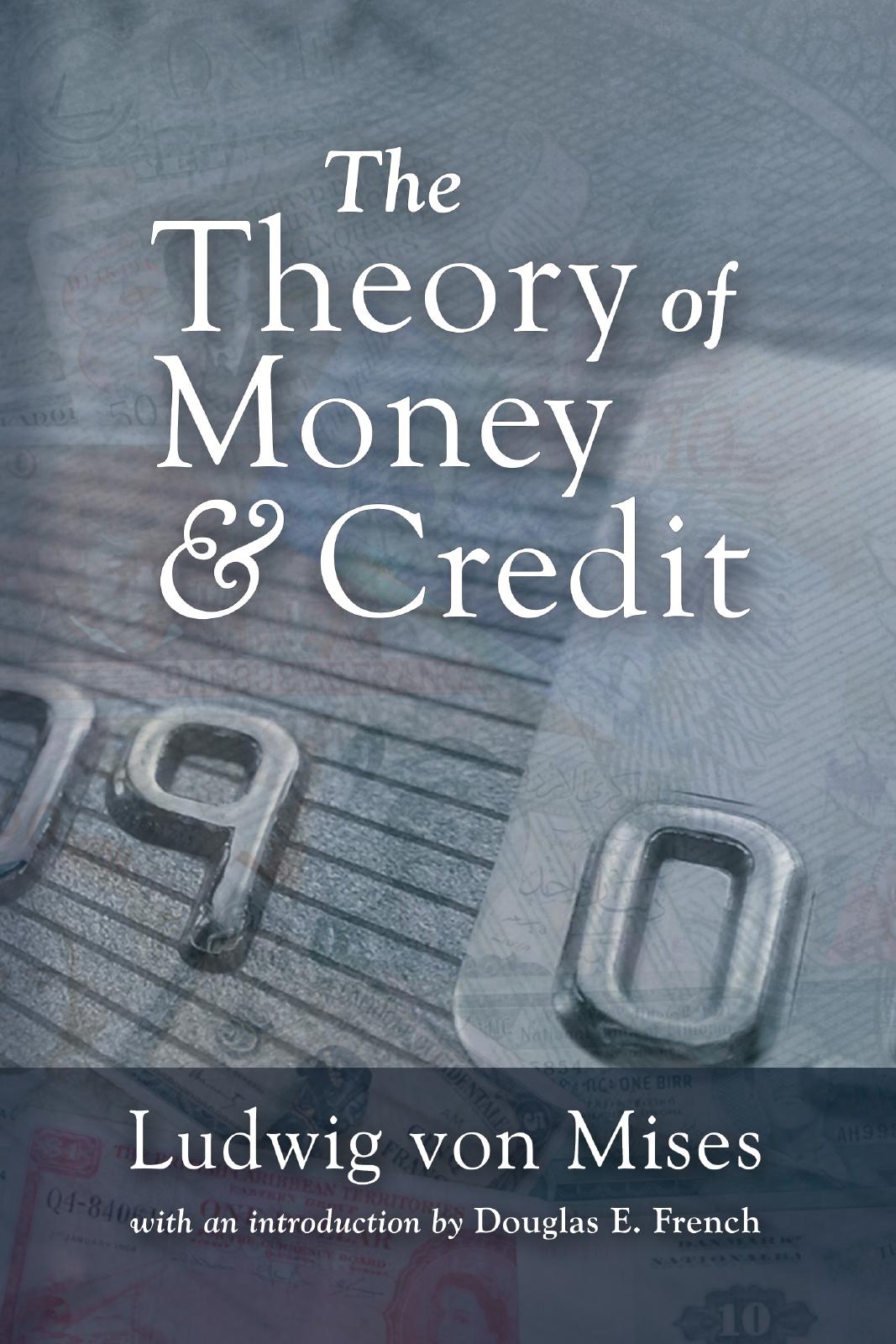
Mises argues purchasing power issued by banks can redirect investment toward longer production, which depends on real capital goods and labour.
Strigl explains how lengthy production depends on saved provision and timely equipment renewal, and how unmatched credit can misdirect that structure.
Henrik Zeberg, the Swissblock strategist, is calling the most contrarian trade in the market: bond yields are about to collapse, the recession has already been signalled, and the bitcoin top is behind us. This episode states his cycle framework at full strength — inflation lags the labour market, and a payroll run-rate near thirty thousand sits where the previous eight recessions began — then sets it against the record. It reports where he beat the tape, concedes the credit-spread test he supplies that this series should have built itself, and marks the destination trades in dollars, gold and equities that have already turned against him. Where the mechanism holds and the clock is soft, this examination says so plainly.
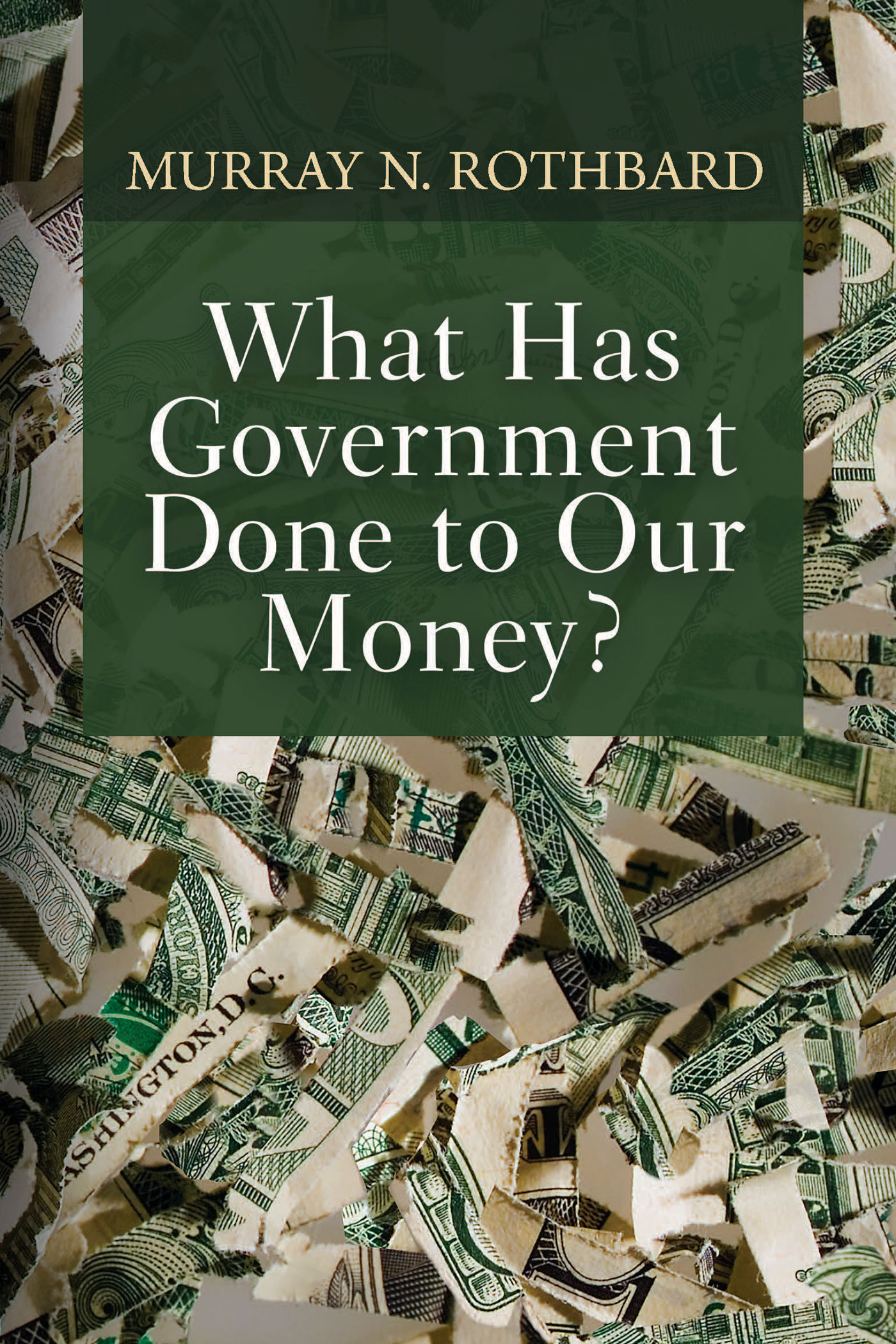
Rothbard's short monetary primer traces money from market exchange through bank claims and coin ratios to the end of gold redemption.
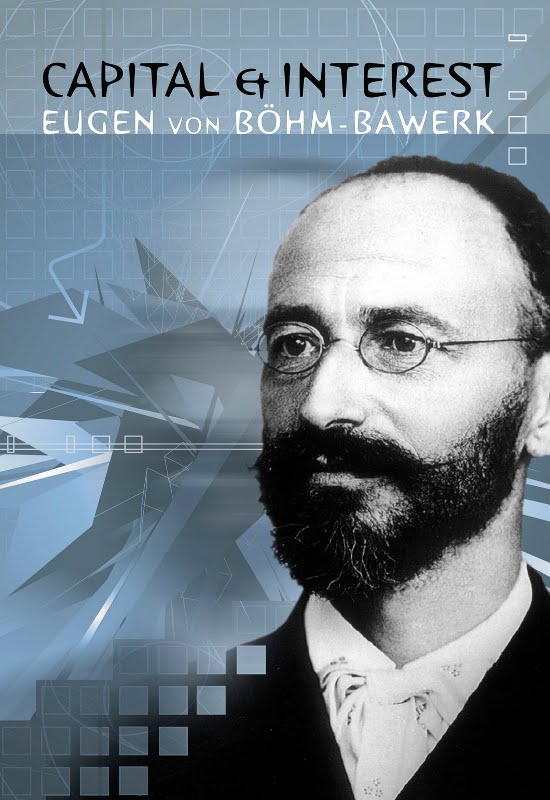
Böhm-Bawerk's 1890 critical history, translated by Smart, tests rival theories of interest by separating physical output, capital value and value surplus.